
Working at height remains one of the biggest causes of serious injury in the UK, and the IPAF Global Safety Report 2025 shows why getting work at height and MEWP safety right is critical.
In 2024, the International Powered Access Federation (IPAF) recorded 170 fatal and major injury incidents worldwide. While fatalities have dropped significantly in the past few years - from 135 in 2023 to 100 in 2024 - over half of all reported incidents came from the United Kingdom, with near-miss reporting also remaining high.
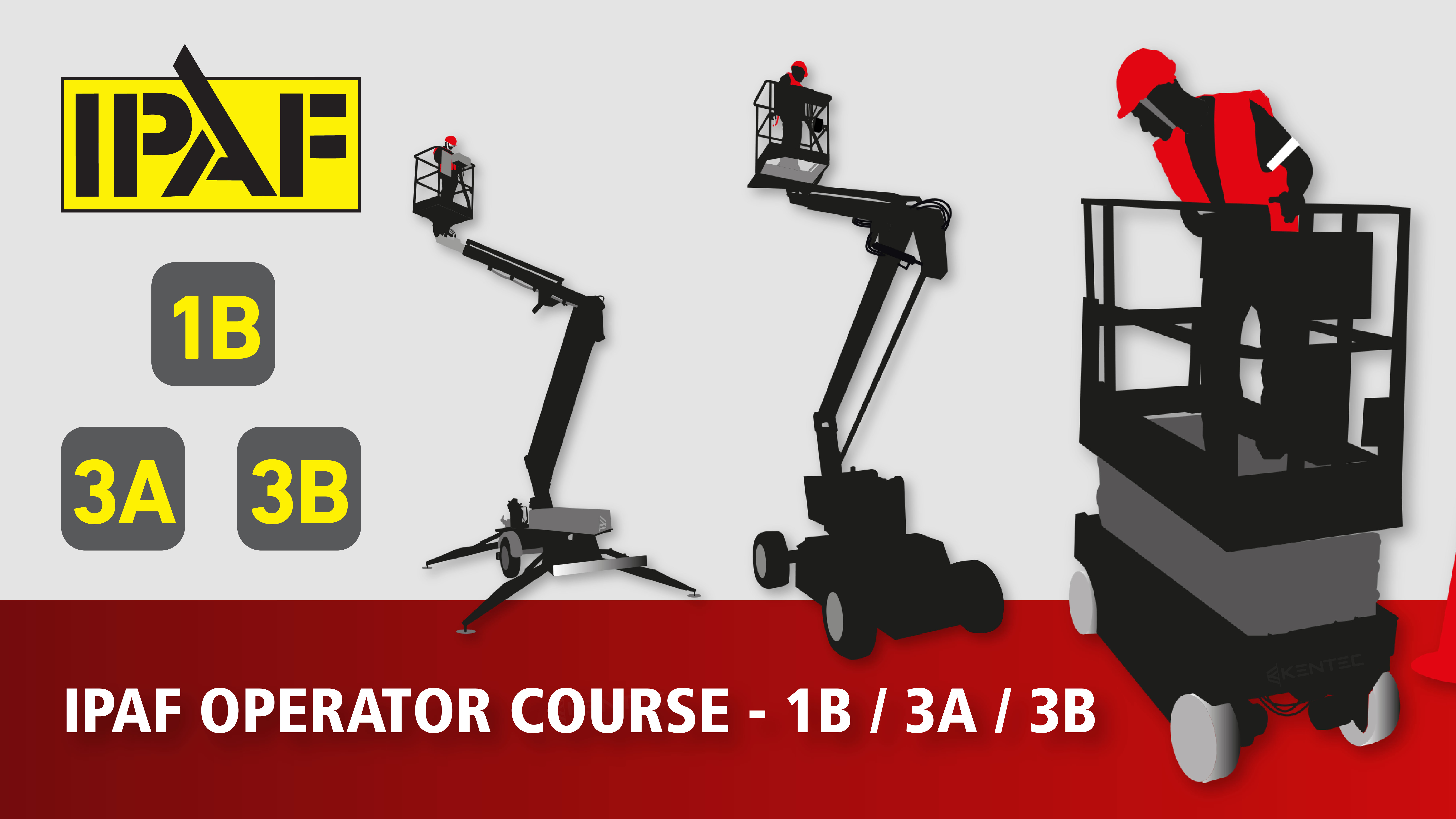
The majority of reported incidents occur on construction sites, with Static Booms (1B), Mobile Scissorlifts (3A), and Mobile Booms (3B) among the most commonly involved, reinforcing the importance of MEWP Familiarisation & Inspection, Planning, Harness Usage, and Quality Training, before accidents happen.
At Kentec Training, we recognise that these aren't just statistics, each figure represents real people - real lives. As such, we're sincere in our hope that, by providing clear, IPAF-recommended practical guidance for working safely at height in MEWPs, we can help MEWP operators and employers reduce the risk, and make sure everyone gets home safely.
Before any MEWP leaves the ground, proper familiarisation and pre-use inspection of the machine are essential. With so many different manufacturers, models and features in use, even experienced operators can be exposed to serious risk if they are unfamiliar with a specific machine and its functions.
Familiarisation is required whenever a MEWP differs in weight, height, reach or complexity from the one an operator originally trained on. This applies not only to operators, but also to supervisors, nominated rescue personnel and engineers. Employers have a legal responsibility to ensure everyone involved understands the machine being used.
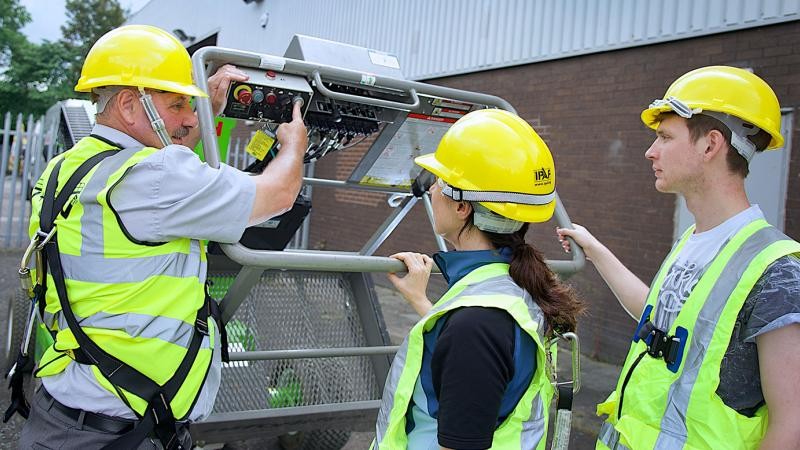
A thorough familiarisation should include the manufacturer’s instructions, machine controls, safety devices and emergency lowering procedures, as well as confirmation that the MEWP has a current thorough examination. Pre-use checks must also include tyre condition, looking for damage, excessive wear or under-inflation that could affect stability.
Platform overloading is another key risk. Exceeding the rated capacity through people, tools or materials can seriously compromise stability and is a common factor in incidents. Always check the data plate and plan the task before work begins.
Taking a few minutes to familiarise and inspect a MEWP can prevent equipment damage, serious injury and worse. Safe work at height starts before the machine is switched on.
Task Planning and Environmental Considerations
Safe MEWP operation starts with proper planning and a clear understanding of the environment. Before work begins, operators should consider the following:
- Plan Your Route: Plan your route to the work area, taking careful consideration to ensure the route is clear of obstacles that may restrict safe movement of the MEWP, and avoid steep gradients, tight spaces and unsuitable/unstable ground that could affect stability or access.
- Identify Overhead Obstructions & Hazards: Contact with overhead obstructions, such as power lines, steel supports and building features, remains a leading cause of serious incidents and must be controlled through effective planning, exclusion zones, correct machine selection, and good spatial awareness of your machine.
- Assess Ground & Weather Conditions: Assess ground conditions for soft surfaces, slopes, voids or underground services that could lead to overturning. When operating MEWPs near or over water, a job-specific risk assessment must be carried out. This should consider whether PFPE or a personal flotation device, such as a life jacket, is required to manage the risk of drowning, alongside the manufacturer’s guidance. Conditions should be monitored throughout the task, especially after rain or ground disturbance. Weather factors such as wind, ice and poor visibility can significantly increase risk and may exceed the MEWP’s safe operating limits.
- Check for Hazardous Materials: Confirm the absence of hazardous materials, such as Asbestos, before starting work at height. Handling these materials requires specialist training, PPE, and control measures. Disturbing them can place operators and those around them at serious risk.
- Public Areas & Access Control: When operating in any public area such as public highways and footpaths, it is essential to put effective controls in place to restrict access to the site, and protect pedestrians, vehicles and nearby workers. Use barriers, ramps signage and clear communication to reroute public access safely without putting members of the public at risk. Ensure your MEWP doesn't intrude into these pedestrian routes during operation.
- Rescue Planning and Ground Support: A suitable rescue plan must be in place for every MEWP task. Trained ground personnel should be familiar with emergency lowering procedures and positioned to maintain visibility, manage exclusion zones and communicate effectively with the operator at all times.
Effective planning reduces uncertainty, controls risk and helps ensure work at height is carried out safely from start to finish.
Safety Harnesses in MEWP Operations
Harnesses and lanyards form part of personal fall protection equipment (PFPE) and play a vital role in managing the risk of falls when working at height in MEWPs. In particular, they help protect against the catapult effect, where sudden movement or impact to a MEWP can cause occupants to be ejected from the platform.
Boom-Type MEWPs - Telescopic, Articulating, etc
When working from boom-type MEWPs, including static booms (1B) and mobile booms (3B), it is strongly recommended that occupants wear a MEWP Safety Harness. Lanyards should be kept short enough to restrain the wearer within the confines of the platform and must be attached to the manufacturer-approved anchorage point. Where used, energy-absorbing lanyards must still allow effective restraint within the platform.
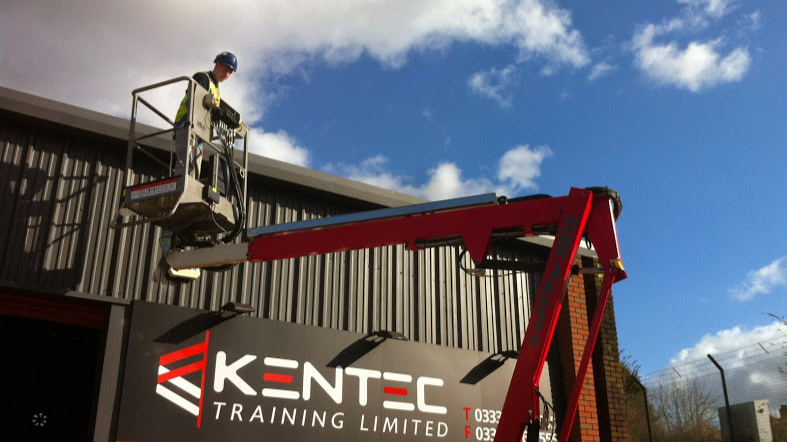
Vertical-Type MEWPs - Scissorlifts, Push-Around Verticals (PAVs), etc
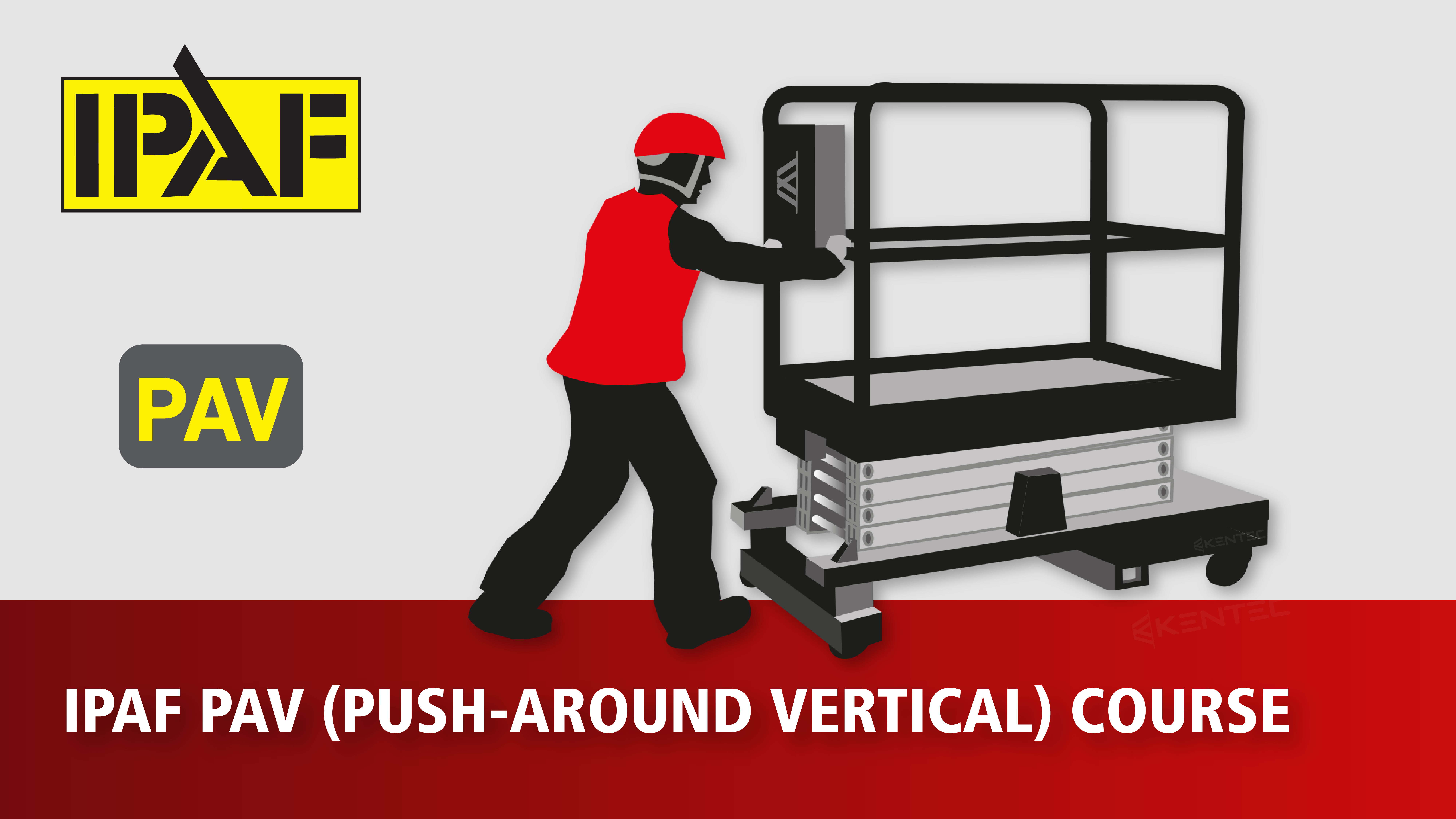
The catapult effect is not generally considered a risk in vertical-type MEWPs, so PFPE is not normally required for static verticals (1A), mobile verticals (3A), push-around verticals (PAVs) and mast climbing work platforms (MCWPs). However, local legislation or site rules may require PFPE in all MEWPs, and task-specific risk assessments may identify exceptional circumstances where it is necessary.
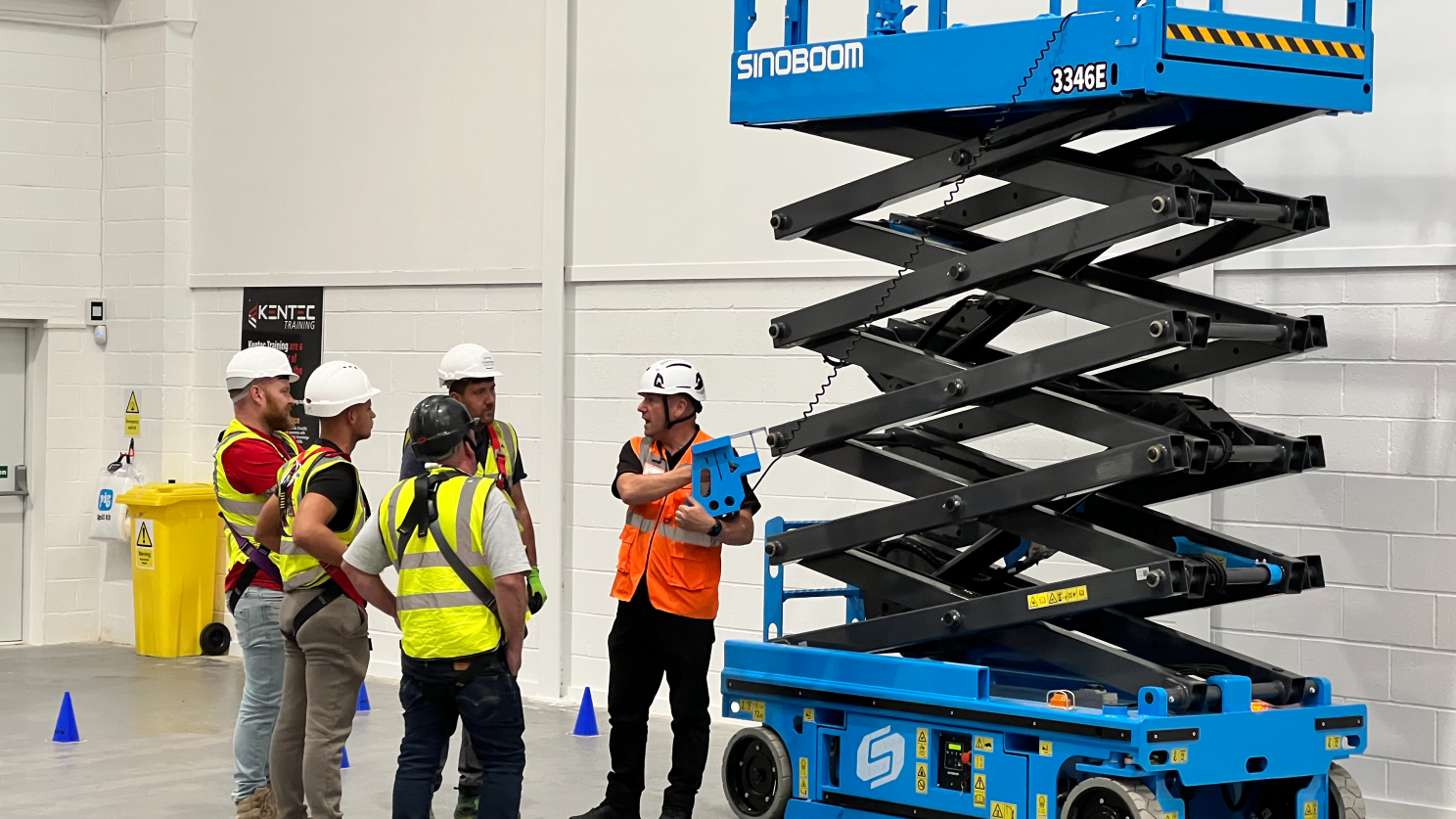
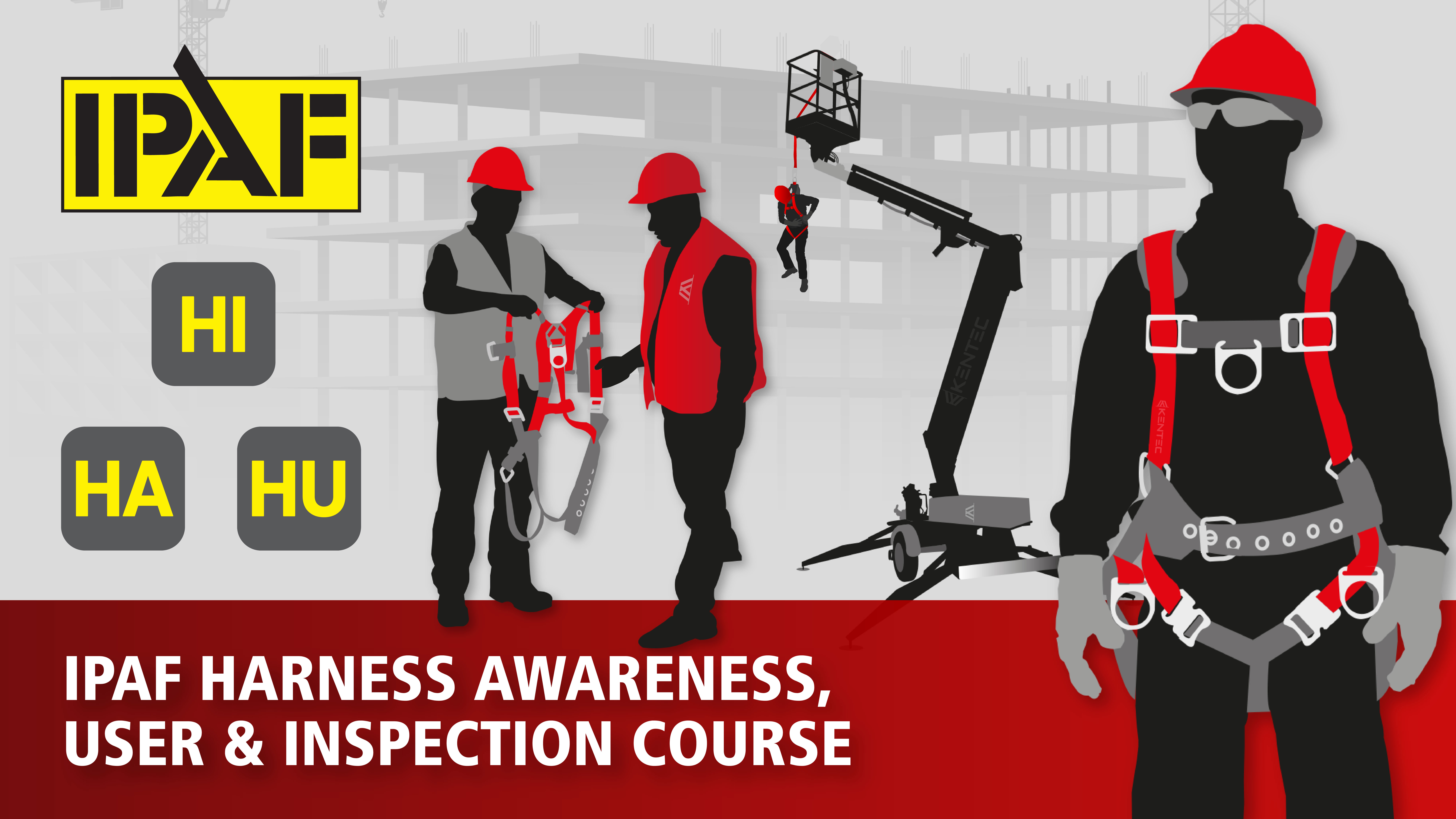
Correct use of safety harnesses is not just about wearing the equipment - it’s about understanding when, where and how to use it properly. To support safe and compliant use of PFPE, Kentec Training offers dedicated harness courses, including Harness Awareness, Harness User and Harness Inspection training. These courses help ensure equipment is selected, worn, used and checked correctly, reducing risk and improving safety at height.
Training That Makes the Difference
Safe work at height in MEWPs doesn’t rely on one control or one piece of equipment. It’s built on competent operators, effective planning, correct machine selection and a clear understanding of risk at every stage of the job.
From pre-use familiarisation and inspection, to environmental planning, rescue arrangements and the correct use of harnesses, the message is clear: training saves lives. Progress is being made, but as noted earlier, incidents and near-misses continue to occur - particularly in the UK construction sector - making ongoing competence more important than ever.
At Kentec Training, we deliver a full range of IPAF-accredited MEWP and harness training, supporting operators, supervisors and employers in meeting legal duties and improving safety standards on site. Our courses are designed to be practical, relevant and aligned with current industry guidance, helping reduce risk and ensure everyone goes home safely at the end of the day.
View our IPAF Work at Height & MEWP courses here: https://www.kentectraining.co.uk/courses/work-at-height/?viewBy=awardingBody&awardingBody=8051
Get training you can trust from Kentec!
📞 Want to learn more about our full range of IPAF training courses? Get in touch today on 0333 666 0555 or email info@kentectraining.co.uk. We're here to help!