
Understanding Forklift Licence Validity
How long does a forklift licence last? In the UK, a forklift training certificate doesn’t have a universally applicable expiry date, but employers are expected to monitor the competence of their operators and organise refresher training as needed.
Although it’s common to refer to a forklift licence, operators hold training certificates rather than a government-issued licence. Understanding the differences helps employers keep training records up to date while ensuring staff can operate equipment safely.
Validity rules also vary between qualifications, as we explain in our guide to how long an SSSTS certificate lasts.
Key Takeaways
- Forklift training doesn’t have a fixed legal expiry date that applies to every operator, but it’s important to ensure staff have current knowledge and skills.
- HSE guidance suggests that reassessment or refresher training might be needed approximately every three to five years, although more frequent training might be necessary.
- Employers are responsible for organising additional training sooner if there are any competence concerns, incidents or workplace changes.
- Familiarisation training is important when operators use specific equipment or work in a new environment.
How Long Does a Forklift Licence Last Before It Needs Renewing?
There isn’t a set expiry date for basic forklift training, but employers must ensure operators remain competent and can carry out their roles safely.
The Health and Safety Executive (HSE) advises employers to monitor operators and arrange reassessment or refresher training as needed, giving three to five years as an example.
However, additional training may be needed sooner, and the real answer to how long a forklift licence lasts depends on the circumstances, because a certificate alone can’t prove competence.
Operators also need specific job and familiarisation training. For example, someone qualified to operate a counterbalance forklift might need additional training before using a reach truck, as different equipment requires different skills and knowledge.
The HSE's guidance on lift-truck training provides more information about monitoring, assessment and refresher training.
Forklift Licence Expiry and What It Means for Employers
While there might not be a statutory expiry date, reassessments or refresher training could be needed if an operator:
- Hasn’t used a forklift for an extended period.
- Only operates equipment occasionally.
- Has developed unsafe working practices.
- Has been involved in an accident or near miss.
- Is moving to a different working environment or using different equipment.
Employers should record training and assessments, monitor performance, and arrange further training as needed to ensure all operators can demonstrate the required competence.
Forklift Licence Renewal: Refresher Training and Requirements
Forklift licence renewal usually means updating training and reassessing competence rather than applying for a new licence. Refresher training helps operators reinforce safe working habits, address poor practices, and review skills they may not use regularly.
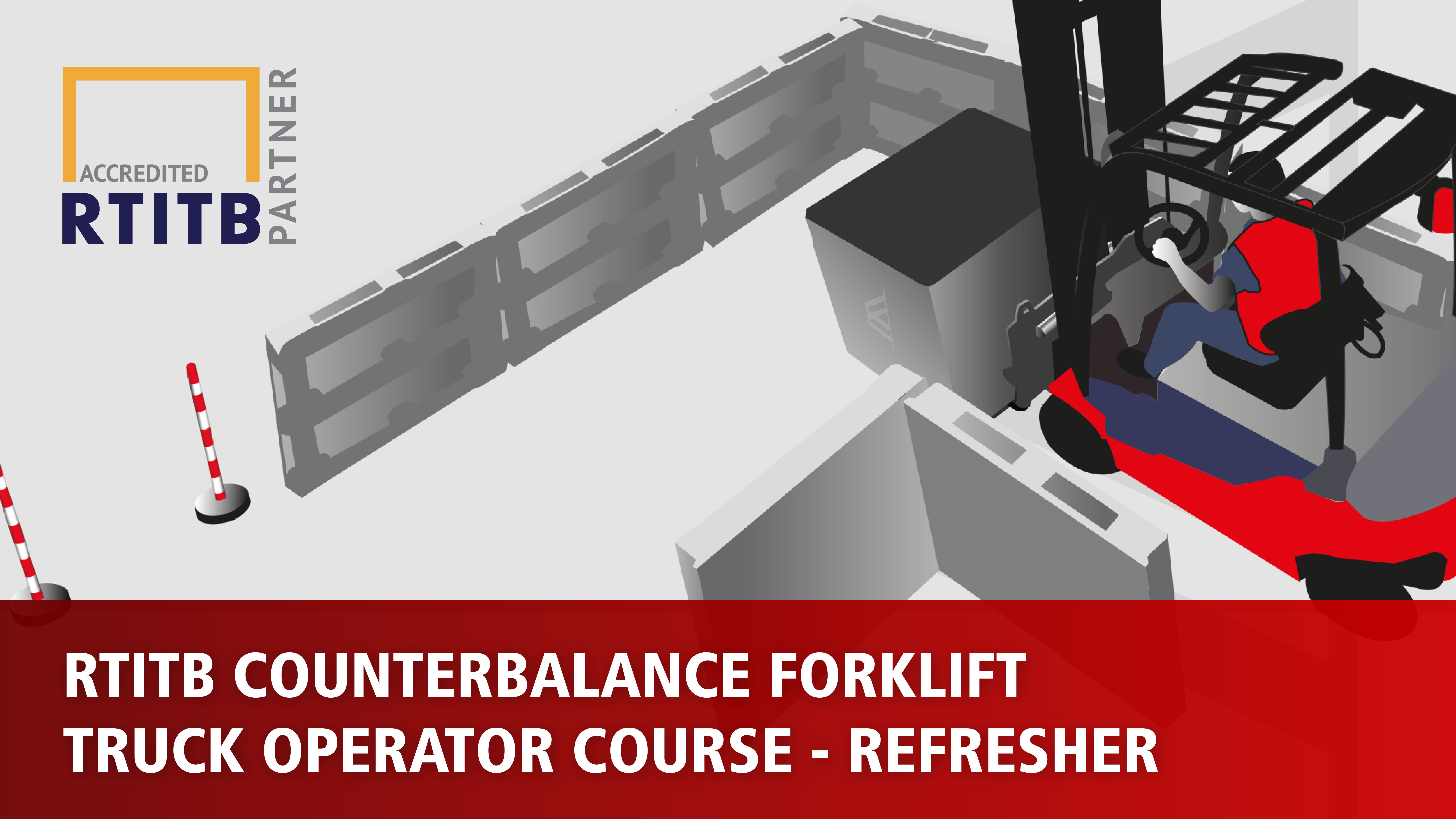
Kentec offers an RTITB Counterbalance Forklift Truck Operator Course – Refresher, which involves at least 6.5 hours of instruction and is designed for counterbalance operators who can provide evidence of completing previous formal training.
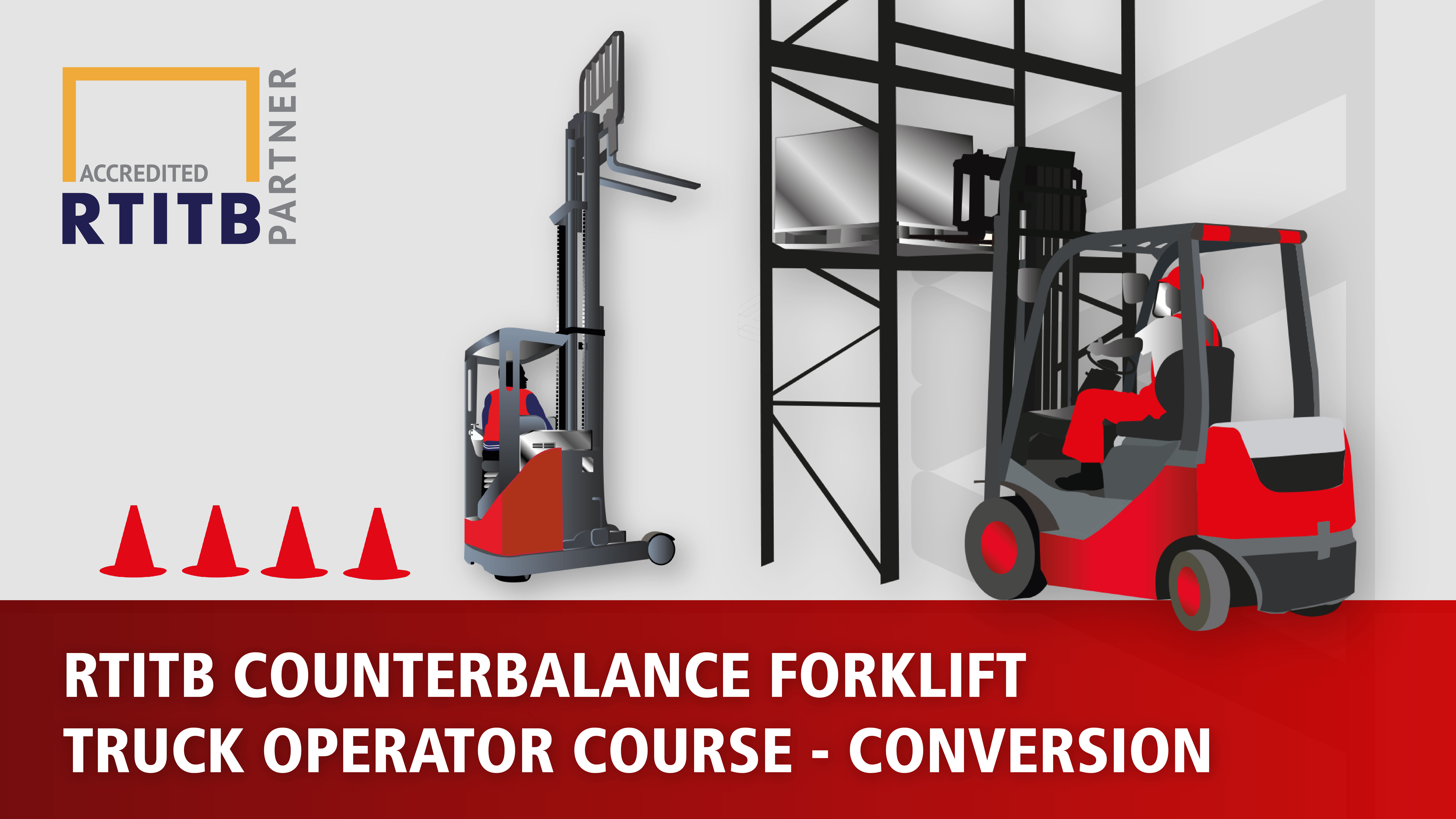
Refresher training isn’t the same as conversion training, which is intended for operators who need to learn to use a different truck category or type.
Employers should assess the training required rather than automatically booking the same course for every operator.
Employers should maintain accurate forklift training records, including the operator's training history, assessment results, refresher training and equipment categories they are authorised to use. Keeping these records up to date makes it easier to identify when further training or reassessment may be required.
What Is the Difference Between Forklift Refresher, Conversion and Familiarisation Training?
Forklift refresher, conversion and familiarisation training serve different purposes. Employers should identify the operator's previous training and the equipment they need to use before choosing a course.
|
Training type |
What it covers |
When it is needed |
|
Refresher training |
Reinforces existing knowledge and corrects unsafe operating practices. |
When an experienced operator needs their competence reassessed or refreshed. |
|
Conversion training |
Teaches an operator to use a different category or type of forklift. |
When an operator needs to move from one type of truck to another. |
|
Familiarisation training |
Introduces operators to specific equipment, workplace conditions and operating procedures. |
When an operator starts using equipment or working in a new environment. |
For example, an operator who has completed counterbalance forklift training may require conversion training before operating a reach truck. They will also need familiarisation with the specific machine and workplace where they will operate it.
The HSE identifies basic, specific job and familiarisation training as important elements of preparing operators for their work. These should not be confused with refresher training.
Frequently Asked Questions About How Long a Forklift Licence Lasts
How Long Is a Forklift Training Certificate Valid For?
There isn’t a direct answer, because forklift training certificates don’t have a universal expiry date. The HSE recommends revisiting training every three to five years, but refresher training might be needed sooner.
What Is a B1 and B2 Forklift Licence?
B1 and B2 are categories used for different counterbalance forklift capacities. B1 covers counterbalance trucks up to five tonnes, while B2 covers trucks from five to 15 tonnes.
What Happens If I Lose My Forklift Training Certificate?
You should first contact the training provider that issued your original certificate, your previous employer or the relevant accrediting body to ask whether a replacement can be provided.
The HSE does not operate a central register of forklift training certificates. If evidence of previous training cannot be obtained, an employer may need to arrange an assessment and retest.
Can I Use a Counterbalance Forklift Certificate to Operate a Reach Truck?
Not automatically. Different forklift types require different operating skills and knowledge. An operator trained on a counterbalance forklift may need conversion training and equipment-specific familiarisation before operating a reach truck.
Does a Forklift Operator Need a Driving Licence?
No. A standard UK car driving licence is not required to attend Kentec's RTITB forklift training courses. However, operators must be adequately trained, competent and authorised to operate the equipment in their workplace.
Related Forklift Training Courses
If you're unsure whether your team's training needs reviewing, Kentec can help you identify a suitable option, and you’re welcome to explore our forklift training in Kent to compare novice, experienced operator, conversion and refresher courses.
Knowing how long a forklift licence lasts is only part of maintaining workplace safety. Regular monitoring and accurate record-keeping help employers ensure operators remain competent.
Sources and Industry Guidance
This article draws on the HSE's lift-truck training guidance and its advice for employers in Lift-truck training: Advice for employers (INDG462). RTITB also provides industry guidance on refresher training and operator competence, including its recommendations on refresher training intervals.
Employers should consult current guidance and assess their own workplace requirements when deciding when reassessment or further training is needed.