The number of first aiders a UK workplace needs depends on its size, working environment, potential hazards and employee working patterns. There is no fixed legal ratio of first aiders to employees. Instead, employers must conduct a first aid needs assessment based on workplace hazards, staff numbers, shift patterns, and site layout.
For example, a small office may have very different needs from a warehouse, a construction site or a manufacturing facility, where the likelihood and potential severity of an incident is possibly higher.
Understanding these contrasts can help employers make informed decisions, and we’ve explained all you need to know to determine the first aiders you need and the suitable training courses.
Key Points on First Aider Numbers
- There isn’t a universal or legally mandated ratio of first aiders to employees, and the number of first aid trained staff you need is determined as part of a first aid risk assessment.
- Low-risk workplaces may need fewer trained first aiders than higher-risk environments, but aspects like shift patterns and site layouts are also relevant.
- The appointed person might be responsible for organising first aid training, but they don’t necessarily need to be qualified to administer first aid, so there are several potential positions or responsibilities involved.
- Employers are expected to ensure there is sufficient provision whenever their staff are working, including outside of normal trading hours and during absences.
How Many First Aiders Does a Low-Risk Workplace Need?
Low-risk workplaces like typical offices usually have few hazards, but employers still need to think about the number of people on site, and what happens if there is an accident or illness.
The Health and Safety Executive’s (HSE) guidance provides suggested starting points, although these aren’t set in stone:
|
Number of Staff |
Potential First Aid Provision for a Low-Hazard Workplace |
|
Fewer than 25 |
At least one appointed person |
|
25 – 50 |
At least one first aider trained in Emergency First Aid at Work (EFAW) |
|
More than 50 |
At least one First Aid at Work (FAW) trained first aider for every 100 employees. |
The caveat is that even low-risk workplaces might need extra cover if the building has several floors, multiple sites or different shifts. It’s also important to consider visitors, contractors and customers who could be present when deciding on the right health and safety training requirements.
How Many First Aiders Does a Higher-Risk Workplace Need?
Higher-risk workplaces can include construction sites, warehouses, manufacturing facilities and environments where employees work with dangerous machinery, sharp instruments or hazardous substances.
Assessing the possible severity of an injury is important, because machinery-related incidents or injuries involving chemicals might need a different level of first aid experience than a first aider working in an office should have.
The HSE’s starting points for these types of workplaces are as follows:
|
Number of Staff |
Potential First Aid Provision for a Higher-Hazard Workplace |
|
Fewer than 5 |
At least one appointed person |
|
5 – 50 |
At least one first aider trained in EFAW or FAW |
|
More than 50 |
At least one FAW-trained first aider for every 50 employees. |
These guidelines are indicative, and first aid provision might change if employees work alone, operations are spread over a large site, or there are specific risks to think about.
First aid assessments should also incorporate the contents of first aid kits and specialist equipment needed, while ensuring first aiders have the right training to deal with potential incidents and injuries.
First Aider or Appointed Person: What's the Difference?
An appointed person is in charge of first aid arrangements, such as ensuring first aid kits are well-stocked and contacting the emergency services if necessary. However, they don’t need a formal first aid qualification as this is an administrative role.
Workplace first aiders need to have completed relevant training, which could include Emergency First Aid at Work (EFAW) or a more extensive First Aid at Work (FAW) course.
This matters because workplaces need first aiders with sufficient training based on possible incidents and the types of injuries that could occur.
When Minimum First Aider Provision Isn't Enough
As we’ve stated, the HSE provides suggested starting points, and meeting these numbers doesn’t always mean first aid cover is sufficient. Scenarios where an additional first aider might be needed could include:
- Having multiple sites or floors, where a first aider in another building or at the opposite end of a site might not react quickly enough.
- Shift patterns, having cover for early, late and night shifts.
- Lone and remote workers who may need extra arrangements such as communication methods and SOS buttons.
- Cover for absences, ensuring that if a first aider is unwell or on holiday, the workplace has somebody else who can provide first aid.
- Previous incidents, with accident records and near misses potentially revealing recurring hazards or a need for a stronger first aid provision.
- Changing work activities such as new machinery, processes, chemicals or working arrangements that introduce different risks.
As with any risk assessment, first aid evaluations should be reviewed when anything changes, and employers should ensure trained personnel remain available, with our earlier guide to the 2025 resuscitation guideline updates for workplace first aid providing further information on developments relevant to workplace first aid.
Common Questions About First Aider Numbers
How Many First Aiders Are Legally Required for a UK Workplace?
There isn’t a fixed minimum number of first aiders, and employers need to ensure their first aid arrangements are adequate and appropriate based on an assessment of their workplace.
How Many First Aiders Are Needed at an Event?
Event first aid cover will depend on the risk assessment, looking at attendee numbers, activities, the venue layout, the duration of the event and the potential severity of incidents. Organisers need to consider risks to visitors, staff and volunteers, and whether medical assistance or a standby ambulance might be needed.
The HSE’s guide to planning for incidents and emergencies provides further insight into organising first aid for an event.
What Do First Aid Levels 1, 2 and 3 Mean?
First aid training levels can refer to different qualifications and awarding bodies, so they’re not universally accurate descriptions of workplace first aid training. The most important distinction is between EFAW, which covers emergency responses, and FAW, which covers a wider range of injuries and illnesses.
Getting Your First Aiders Trained to the Right Level
Once you’ve completed your first aid risk assessment and know how many staff need training, the next task is to pick the suitable course. Kentec offers two main options:
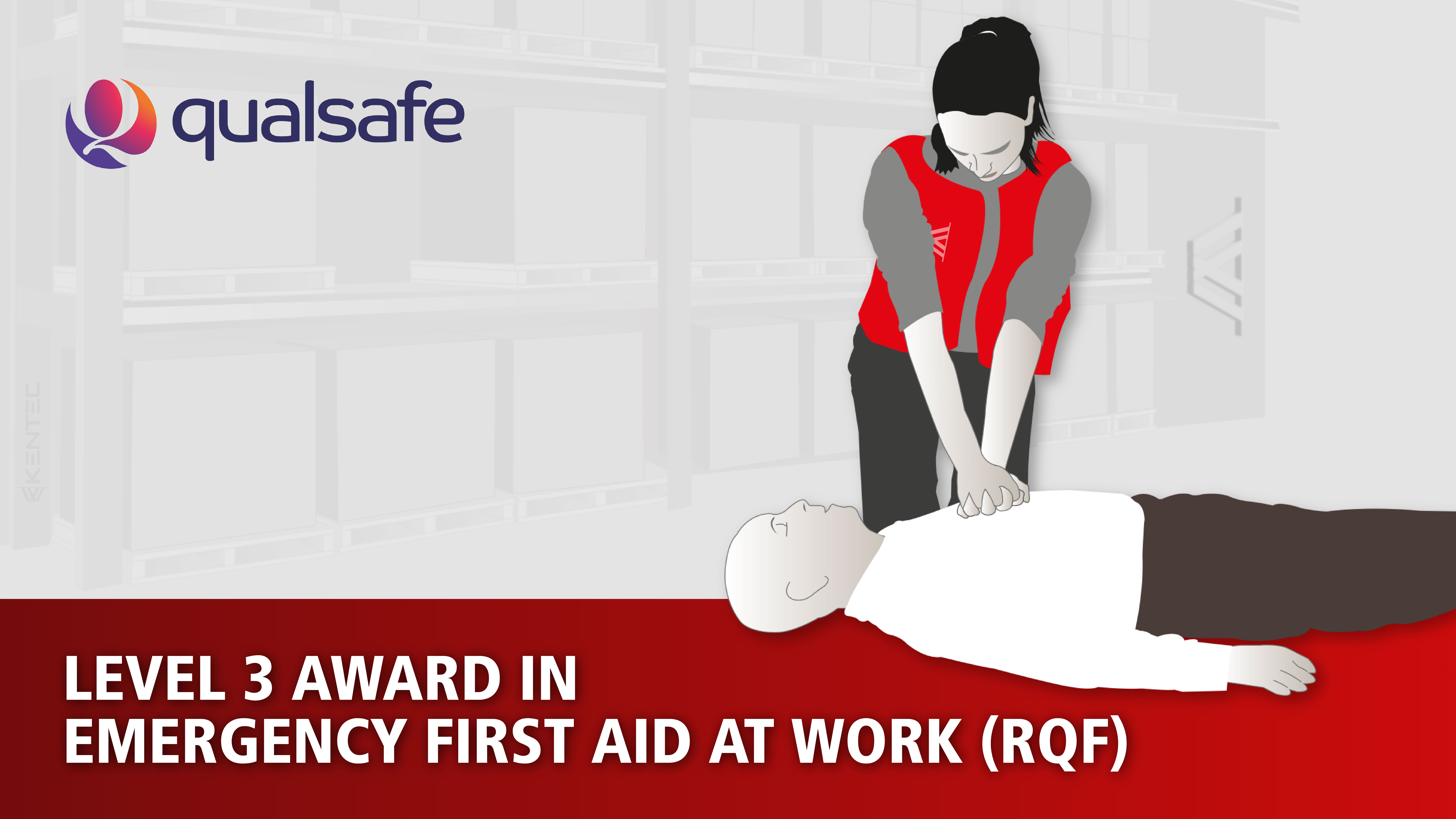
- Emergency First Aid at Work course: Suitable where the assessment identifies a need for first aiders trained to provide emergency first aid.
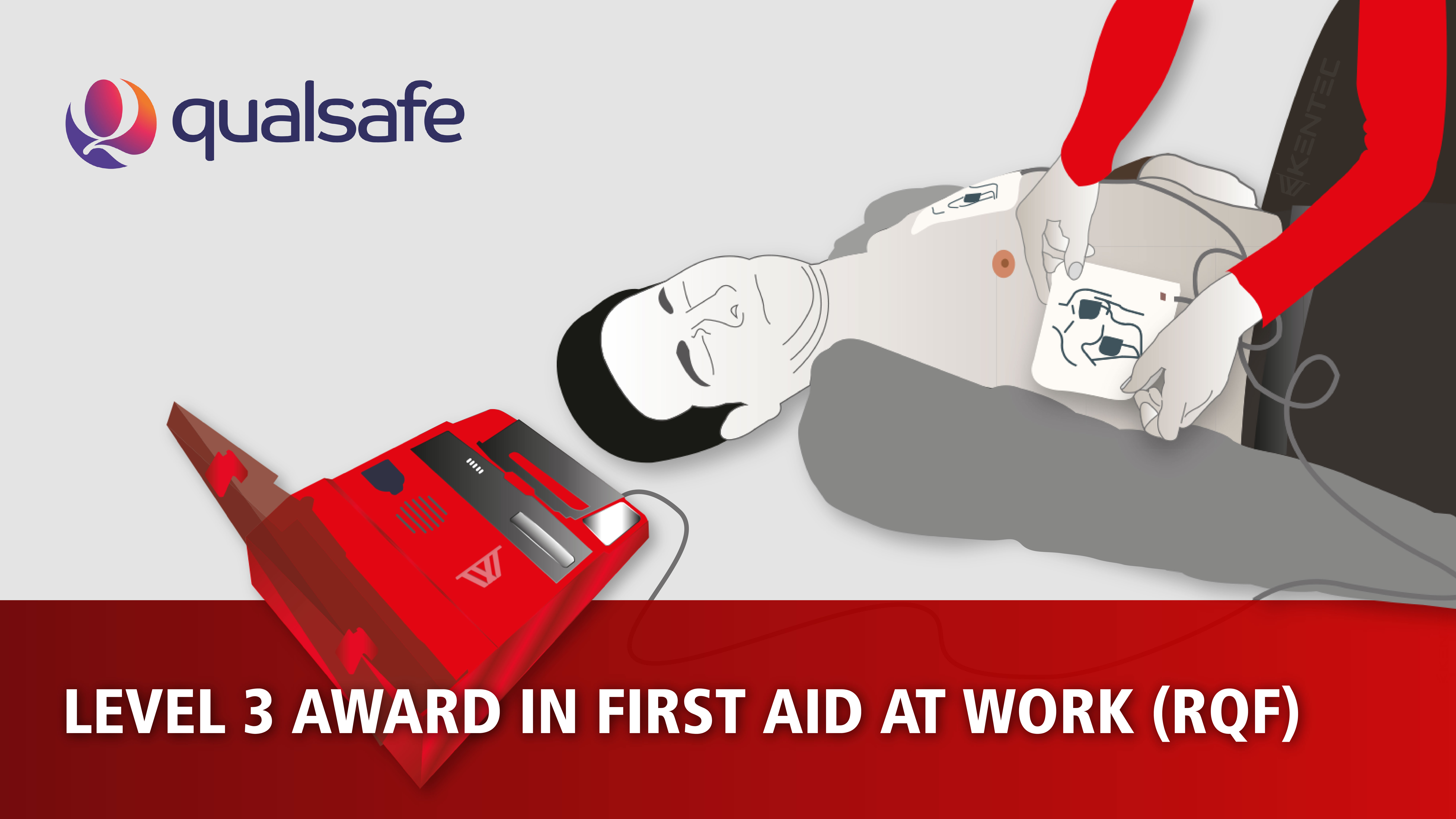
- First Aid at Work course: Covers the Emergency First Aid at Work syllabus and provides additional training to deal with a wider range of injuries and illnesses.
Both options should be considered in the context of the hazards, workforce and existing arrangements, with plans to ensure certificates are renewed, and annual refresher training is organised to keep first aid skills up to date.
More information is available through Kentec’s first aid at work training pages, and if you need further information or advice, you’re welcome to contact us.
Where These First Aider Requirements Come From
Workplace first aid provision in Great Britain is governed by the Health and Safety (First Aid) Regulations 1981. The official guidance explains employers' responsibilities for assessing first aid needs and providing appropriate personnel, equipment and facilities.
The main reference is the Health and Safety Executive's First aid at work: your questions answered, which includes suggested first aid personnel numbers for low- and higher-hazard workplaces. Employers can also consult its more detailed First aid at work: Guidance on Regulations (L74).
These resources act as a foundation for assessing workplace needs, but the appropriate provision will always depend on the individual circumstances of the business. Employers should review the guidance alongside their own risk assessment when deciding how many first aiders to train.