The cost of a first aid course will depend on which qualification you’re booking for yourself or an employee, the content and level of the training involved, and whether this is a new certification or a renewal of an existing qualification.
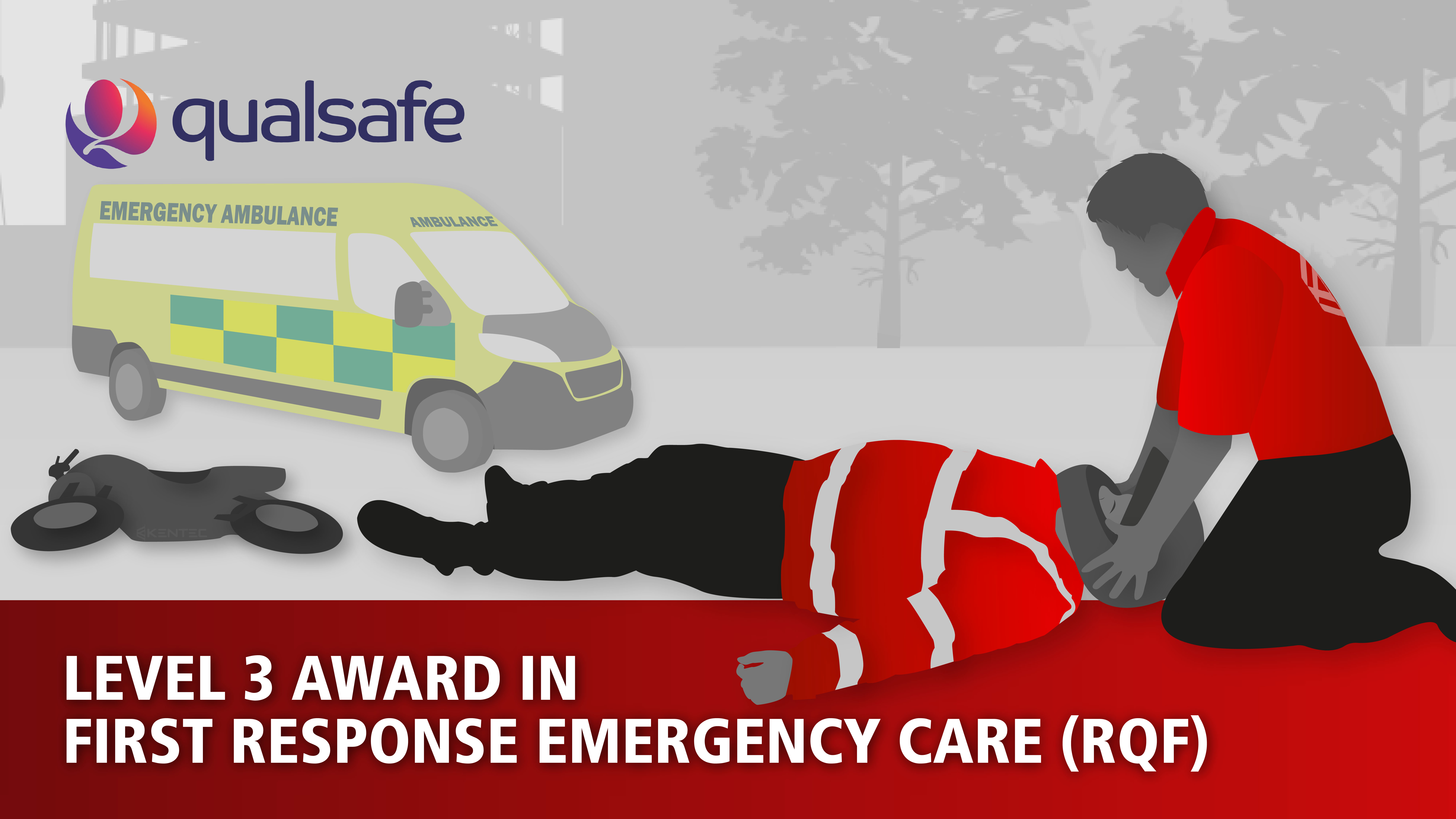
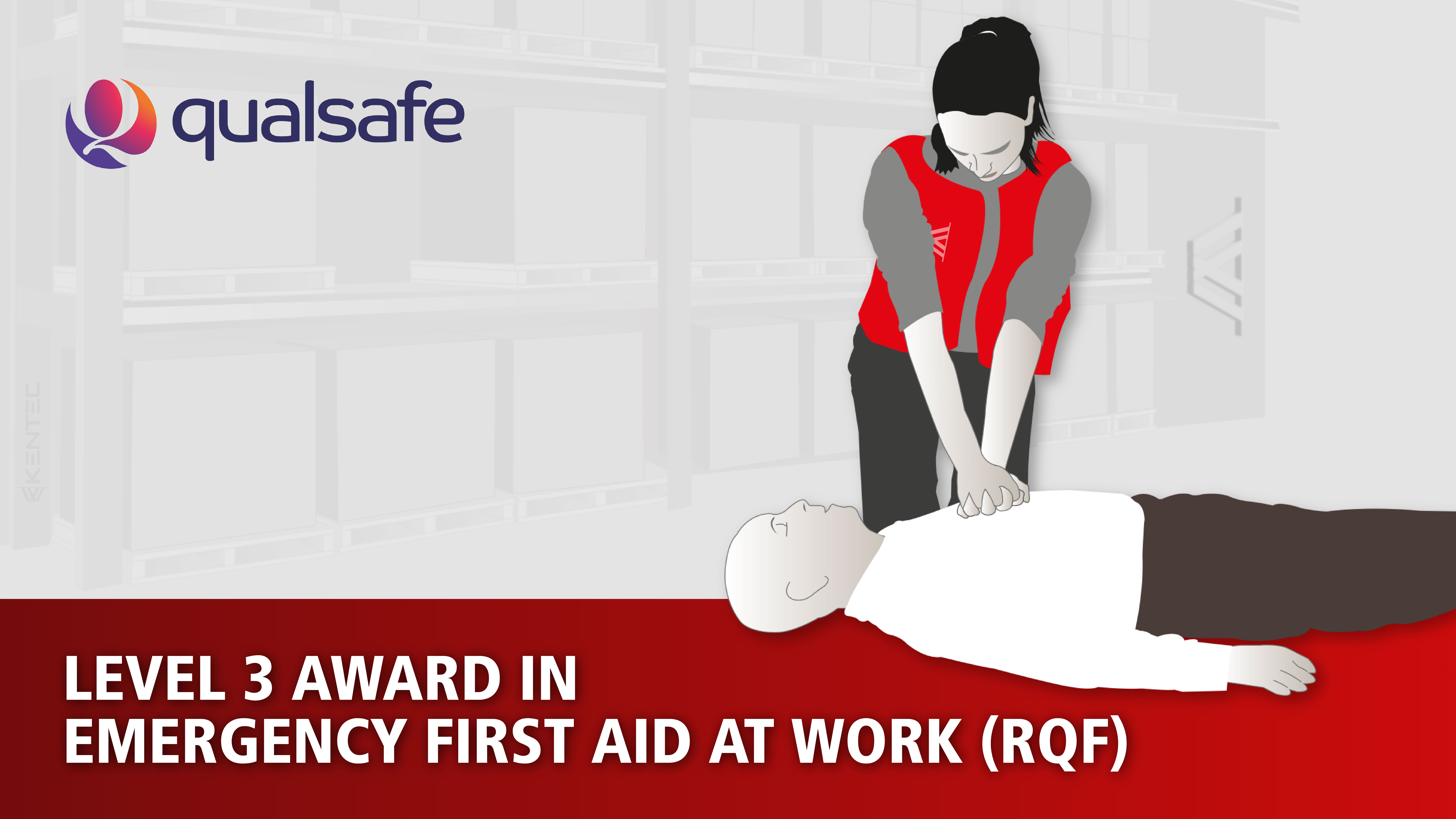
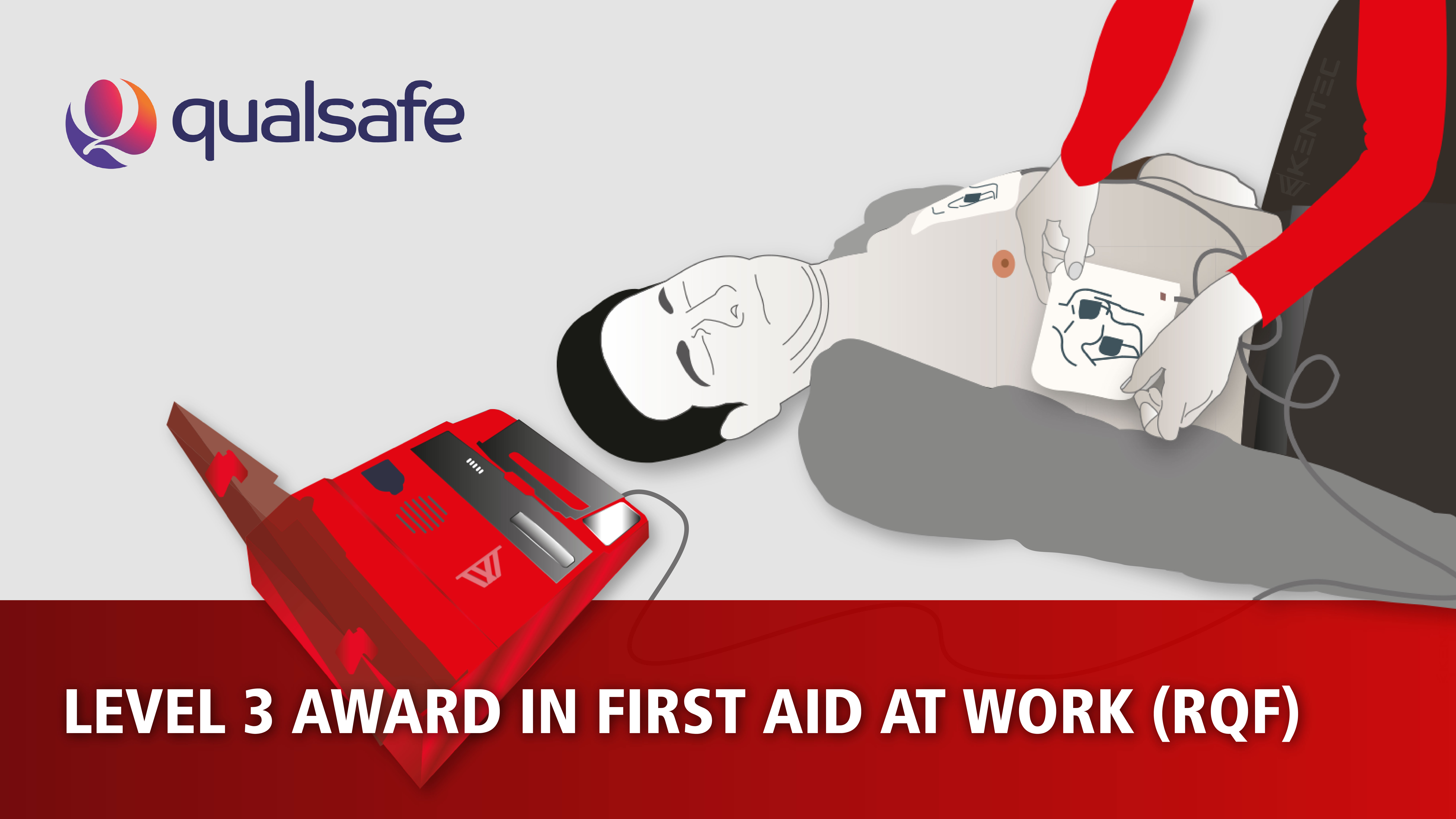
To give you an idea, Kentec Training offers several accredited QualSafe courses. They include the Level 3 Award in Emergency First Aid at Work, from £145 per delegate, and extend up to £495 for the five-day Level 3 Award in First Response Emergency Care.
Cost is, of course, an important consideration, but it’s just as essential to ensure you’re selecting a course that matches the risks relevant to your workplace, and that will meet your legal responsibilities, rather than assuming all first aid courses are relatively similar.
First Aid Course Costs: Key Takeaways
- The cost of first aid training ranges from around £150 to £500, excluding VAT, based on the length of the course, the first aid responsibilities delegates are tasked with, and the exact qualification they need.
- First aid courses shouldn’t be picked based only on price, because the appropriate training needs to be consistent with the first aid needs assessment specific to the workplace in question, and the risks first aiders may need to manage.
- Accredited first aid courses offer excellent value for money, and rather than being textbook-based certifications, they involve practical training, formal assessments and nationally recognised certifications that are usually valid for three full years.
Why Do First Aid Course Prices Vary?
There isn’t one standardised first aid course, and delegates can choose training designed to help them fulfil their specific responsibilities, which also affects the level and duration of the course.
Factors that impact the cost of a first aid course include:
- How many days of training are involved
- The complexity and level of the tuition
- What qualification successful attendees are awarded
- How their skills and knowledge are assessed
- The maximum number of delegates per instructor
- Whether attendees are qualifying for the first time or recertifying
For example, a one-day Emergency First Aid at Work course covers the skills first aiders normally need in lower-risk settings. In contrast, the five-day First Response Emergency Care programme is designed for people with significantly more advanced responsibilities.
How Much Do Kentec Training's First Aid Courses Cost?
The table below summarises the current first aid courses available through Kentec Training, including costs, durations and who they are designed for:
|
Course |
Duration |
Price (Ex VAT) |
Suited To |
|
1 day |
£145 |
Lower-risk workplaces |
|
|
3 days |
£295 |
Designated workplace first aiders |
|
|
2 days |
£250 |
Existing qualified first aiders |
|
|
5 days |
£495 |
Emergency response professionals |
Longer courses cost more due to the extra time and tuition involved, but they deliver more extensive knowledge and ensure delegates have the necessary capabilities they need to provide first aid in workplaces with higher risks.
What Do First Aid Course Fees Include?
When comparing providers, it's important to look beyond the price, because a professionally accredited first aid course should include much more than sitting an assessment, with our training usually including:
- Instructor-led classroom tuition
- Practical first aid demos
- Hands-on CPR practice
- Automated External Defibrillator (AED) training
- Casualty assessment techniques
- Practical scenario exercises
- Formal practical assessments
- Nationally recognised QualSafe certification
- Three-year qualification upon successful completion
It’s essential that delegates have the confidence to provide first aid in real-world scenarios, which is why the hands-on assessments and demos are just as vital as theoretical know-how, learning protocols or response techniques.
Which First Aid Course Offers the Best Value?
The best-value course will always depend on the level of first aid provision the organisation requires following a workplace first aid needs assessment. Although this might vary between businesses, we typically recommend the following:
- Offices and lower-risk workplaces: Emergency First Aid at Work
- Manufacturing, construction and higher-risk workplaces: First Aid at Work
- Existing qualified first aiders approaching renewal: First Aid at Work Requalification
- Emergency response roles: First Response Emergency Care
Choosing the right qualification is the best way for organisations to remain compliant while avoiding spending more than necessary on advanced training courses they might not need.
Are Low-Cost First Aid Courses Worth It?
Price is never a sole consideration, and while more basic first aid courses might be more than sufficient, we’d suggest looking at:
- Whether the qualification is nationally recognised
- How well training will help the organisation meet HSE expectations
- Whether there are practical as well as theory assessments
- How experienced the instructors delivering the course are
- How much practical training delegates receive
- Whether the certification is awarded by a credible body
Choosing a training provider only based on a lower price might mean the quality of the learning isn’t adequate, or that delegates know the theory but aren’t competent enough to step in during a serious incident, illness or accident.
Is First Aid Training Worth the Cost?
For most employers, the cost of training is more than worthwhile. It helps them protect their staff, customers, and visitors; demonstrate that they’ve taken their health and safety responsibilities seriously; and show that they’ve invested in quality training.
That’s because a well-trained first aider is better able to react quickly during an emergency, reduce the severity of potential injuries, and provide reassurance if someone on-site becomes unwell, keeping them stable until emergency services arrive.
Having properly trained first aiders also supports compliance with workplace legislation and gives employers peace of mind that there is always a certified member of staff on site.
Steve Booker, Managing Director of Kentec Training, says, “When employers compare first aid courses, it's understandable that cost is one of the first things they look at.
However, the real value comes from knowing that your team can respond confidently if somebody becomes seriously ill or injured. Good training gives delegates practical skills they'll hopefully never need, but if an emergency occurs, those skills can make all the difference. “
Related Guides and Resources
- Health and Safety Executive – First Aid at Work
- Health and Safety Executive – First Aid Needs Assessment
- Resuscitation Council UK
Frequently Asked Questions
How Much Does a First Aid Course Cost?
Prices vary according to the qualification you or your employee is taking, and our first aid certifications start from £145 and range up to £495, excluding VAT.
Why Are Some First Aid Courses More Expensive?
Longer qualifications include more classroom teaching, practical exercises and assessment, preparing delegates for broader responsibilities and more complex emergencies.
Does the Cheapest First Aid Course Meet Legal Requirements?
Not always. The correct qualification depends on the findings of your workplace first aid needs assessment rather than the course price. Employers should ensure the training matches the risks present within their organisation.
How Long Is a First Aid Qualification Valid For?
Generally, first aid certifications last for three years, and first aiders will need to recertify or renew their qualification, ideally before this. The HSE also recommends yearly refresher training, although this isn’t always obligatory in every situation.