
A recent fire at an industrial recycling site near Kentec Training's Ashford Training Centre has once again highlighted the very real risks faced by businesses operating in industrial environments.
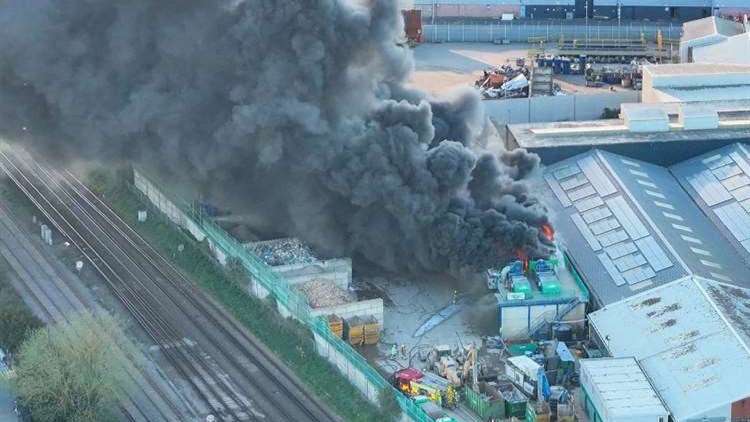
The incident, which began on the evening of Tuesday 7th April 2026, required a significant response from Kent Fire and Rescue Service, with up to ten fire engines attending at its peak, alongside specialist equipment including a high reach appliance and even a firefighting robot!
While thankfully no injuries were reported, the scale of the response and the disruption caused, including advice for nearby residents and businesses to keep windows and doors closed due to smoke, serve as a powerful reminder that fire safety cannot be an afterthought.
Join us as we explore the risks, the prevention methods, and the training available below.
Understanding the Risks in Industrial Settings
Industrial environments, particularly waste management, recycling facilities, warehouses, and construction sites, are inherently higher risk when it comes to fire. Common contributing factors include:
- Accumulation of combustible materials such as waste, packaging, and dust
- Improper storage or segregation of hazardous materials
- Equipment overheating or electrical faults
- Poor housekeeping practices
- Lack of staff awareness or training
In incidents like the Ashford blaze, fires are often believed to start accidentally, but accidental rarely means unavoidable.
Prevention: Reducing the Risk of Fire
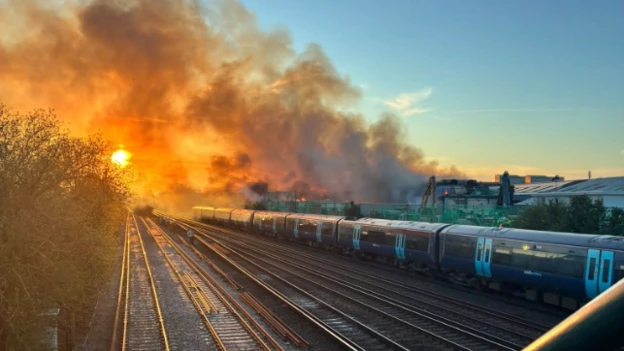
The recent incident in Ashford highlights just how quickly a fire can escalate in an industrial setting, particularly where high risk activities such as waste handling are involved. The site near Brunswick Road was located adjacent to active railway lines, adding another layer of complexity and potential danger. Fires in close proximity to transport infrastructure can lead not only to business disruption but also to wider public safety risks, including damage to rail assets, service interruptions, and increased danger for emergency responders.
Effective fire prevention relies on a combination of planning, training, and ongoing vigilance. In environments like this, where external factors such as nearby railways, public access routes, or neighbouring businesses come into play, fire safety planning must extend beyond the immediate site boundary.
1. Robust Fire Risk Assessments
Every industrial workplace should carry out regular and comprehensive fire risk assessments. These identify hazards, evaluate risks, and implement control measures tailored to the site.
For sites like the Ashford recycling facility, this should include consideration of surrounding infrastructure such as railway lines. Risk assessments should account for fire spread, smoke direction, and the potential impact on nearby transport networks. Liaison with external stakeholders may also be necessary to ensure risks are fully understood and mitigated.
2. Good Housekeeping
Keeping work areas clean and free from unnecessary combustible materials is one of the simplest and most effective ways to reduce fire risk.
In waste and recycling environments, where materials can build up quickly, poor housekeeping significantly increases the likelihood and severity of fire. Regular removal and management of waste materials is essential to prevent conditions where a small ignition can develop into a large scale incident.
3. Safe Storage Practices
Ensure that flammable materials are stored correctly and clearly labelled. Waste should be regularly removed and not allowed to accumulate. Incompatible materials must always be kept separate.
At sites similar to the one in Ashford, mixed waste streams can pose a serious hazard if not properly controlled. Items such as batteries, chemicals, or pressurised containers can ignite or explode when compacted or exposed to heat, making proper segregation critical.
4. Equipment Maintenance
Regular inspection and maintenance of machinery and electrical systems can prevent overheating and faults that may lead to fire.
Industrial waste sites rely heavily on mechanical processing equipment, which can generate heat, friction, and sparks. Without proper maintenance, these can become ignition sources. Ensuring all equipment is routinely checked and serviced is a key preventative measure.
5. Emergency Planning
Clear evacuation procedures, accessible fire exits, and well maintained firefighting equipment such as extinguishers and alarms are essential.
In higher risk locations, particularly those near critical infrastructure like railways, emergency planning should also consider coordination with external emergency services such as Kent Fire and Rescue Service. Planning should include how to manage large scale incidents, control access, and minimise impact beyond the site itself.
The Role of Training in Fire Safety & Turning Lessons into Action
Even with the best systems in place, people are always your first line of defence. Without proper training, risks can go unnoticed, hazards can quickly develop, and small issues can escalate into blazing infernos if left unchecked.
At Kentec Training, we emphasise both practical and real world fire safety knowledge tailored to industrial environments. Our training provides a greater awareness of the hazards and risks associated with fire in the workplace, how it is controlled in the workplace, and an understanding of the role of fire wardens and fire marshals.
We offer the following training courses to support your fire safety & risk assessment knowledge:
- Qualsafe Level 2 Award in Fire Safety (RQF)
- Qualsafe Level 2 Award in Principles of Risk Assessment (RQF)
- IOSH Working Safely Course
- IOSH Managing Safely Course
Incidents like the Ashford waste site fire are a stark reminder of how quickly situations can escalate and how vital preparation is. While emergency services like Kent Fire and Rescue Service play a critical role in response, prevention always starts on site.
By investing in proper training, maintaining high safety standards, and fostering a proactive safety culture, businesses can significantly reduce the risk of fire and protect both people and property.
📞 Want to get in touch with our team about our strengthening your fire safety practices? Get in touch today on 0333 666 0555 or email at info@kentectraining.co.uk. We're here to help!