
Across many industries such as construction, materials handling, warehousing, facilities management, utilities and more - safety is increasingly discussed as just a list of policies and procedures, and ensuring compliance. While these are of course essential, they only form part of the bigger picture.
Organisations that consistently maintain safer workplaces are those that develop a strong safety culture. In these workplace environments, safety becomes a tangible responsibility that is understood, shared and supported by everyone in the organisation, from senior leadership personnel all the way through to the frontline workers.
What does a strong safety culture look like?
A strong, positive workplace safety culture can usually be recognised through the behaviours, attitudes and systems in place throughout an organisation. It often includes the following:
Employees feel comfortable raising safety concerns
Effective communication between teams and individuals is essential. There should be clear and accessible ways for employees to report hazards or raise safety concerns. Workers should not only feel heard by management, but actually see action taken where improvements are needed. When concerns about unsafe environments, equipment or training are addressed promptly, it builds trust and encourages continued engagement with safety processes.
Effective Leadership that actively demonstrates safe behaviour
Leadership plays a major role in shaping safety culture. When managers and supervisors consistently follow safe working practices and reinforce safety expectations, they set a clear example for their teams. Employees are far more likely to prioritise safety when they see it being taken seriously by those responsible for leading them.
Regular conversations about lowering risks and improving safe working practices
Health & safety should be part of everyday discussion in the workplace, not something that only arises after an incident. Open conversations about potential risks help ensure everyone remains aware of their responsibilities and reinforces the simple but important principle that everyone deserves to go home safe at the end of the day.
A proactive focus on preventing incidents before they occur
Organisations with strong safety cultures take a proactive approach. Risks are identified early, and steps are taken to control them before incidents happen. When concerns are dismissed or ignored, it sends the message that safety is not a genuine priority. A proactive approach, on the other hand, demonstrates that the organisation is committed to protecting its workforce.
When these elements are present, safety becomes part of the everyday way a business operates rather than something that is only considered during inspections or audits.
How do you establish a Strong Safety Culture?
Building a strong workplace safety culture requires commitment across every level of an organisation.
- Strong Leadership: Managers and supervisors must lead by example by consistently demonstrating safe behaviour and prioritising safety in decision-making. Encouraging open communication, engaging employees in safety initiatives, and maintaining visible involvement in workplace safety helps reinforce that safety is a shared responsibility.
- Quality Training: Providing high-quality safety training ensures employees have the knowledge and skills to work safely. This should be supported by regular refresher training, thorough risk assessments before work begins, and access to suitable tools, equipment, and personal protective equipment (PPE).
- Clear Policies & Procedures: Organisations should develop clear safety policies, define safe working practices and expectations of staff, carry out regular workplace inspections, and continuously review and improve safety processes to ensure standards remain effective and compliant.
- Accountability & Recognition: Recognising employees who demonstrate strong safety awareness helps reinforce positive behaviours, while clear accountability ensures everyone understands their role in maintaining safe working conditions. Tracking safety performance, encouraging the reporting of near misses, and learning from incidents can help organisations identify improvements and prevent future accidents.
By integrating all of the above, organisations - and the individuals within them - can create a safer, more proactive workplace for everyone.
How can Kentec Training help?
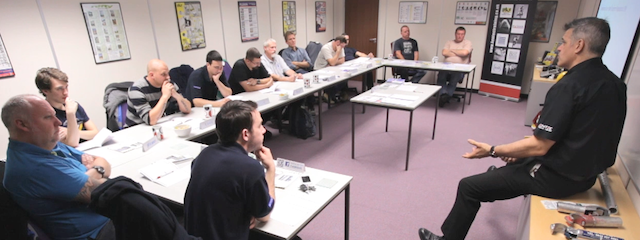
At Kentec Training, we work with both individuals and organisations across many different sectors to help develop competent and confident workforces through our 150+ accredited training programmes.
While training on its own cannot create a safety culture, it provides the core foundation that allows one to develop. When people have the right knowledge, skills and support, they are better equipped to work safely and look out for the people around them.
Workplaces that invest in competence and safety awareness tend to see wider benefits as well. They often experience fewer incidents, stronger teamwork and a workforce that understands the value of working safely every day.
📞 Want to find out how we can help contribute to your organisation's positive safety culture? Get in touch today on 0333 666 0555 or email info@kentectraining.co.uk. We're here to help.
Get training you can trust from Kentec!